

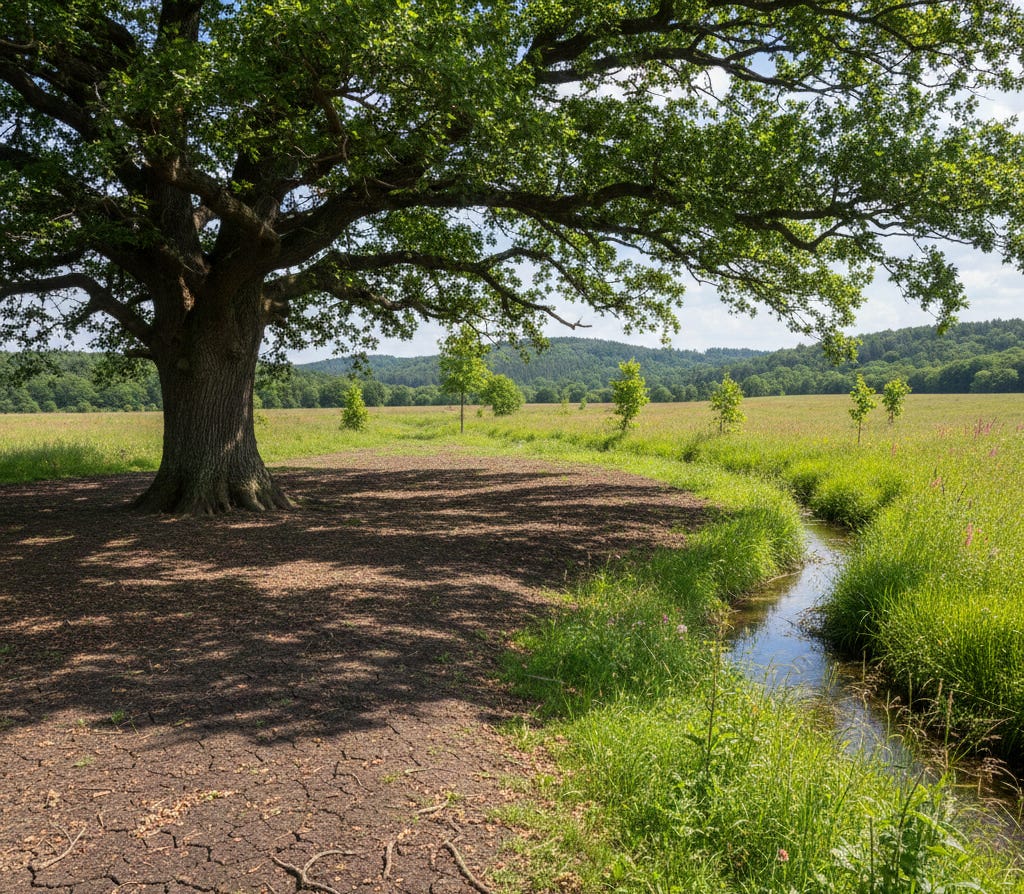
There is a sentence that has stayed with me for years:
Nothing can grow in the shadow of a big tree.
It is simple, almost obvious, but its truth unfolds slowly with experience. I didn’t fully understand it until it became personal.
A Personal Story: The Weight of Someone Else’s Shadow
Years ago, I found myself working under a leader who valued control above all else. His way was the only way. Every decision I made was questioned. Every success I had was quietly minimized or reframed as luck. The more I performed, the more he tightened the oversight. It was as if he couldn’t tolerate the idea that someone different from him could also deliver strong results.
At first, I tried harder. I put in more hours, became increasingly prepared, sharpened my delivery. But something unexpected happened: the harder I worked, the smaller I felt. My confidence shrank, my creativity narrowed, and eventually I began to doubt even the things I knew I was good at.
What struck me most was not the micromanagement, but the emotional residue it left. I would go home irritated, tense, and strangely muted. I recognized myself less and less. It wasn’t until I took a rare week off that I felt something I hadn’t felt in months: relief. Space. Air.
And in that quiet, one reality became impossible to ignore:
I was no longer growing. I was surviving in shade.
Leaving that job was not a dramatic, heroic act. It was simply a quiet step out of the shadow — a return to sunlight. What followed surprised me: within weeks, my natural energy returned. Ideas flowed again. My voice came back. I was reminded how growth feels when the environment supports it instead of suppressing it.
That experience stayed with me, and it continues to shape how I lead, how I facilitate, and how I design spaces for others.
The Many Forms of “Big Trees”
Big trees don’t always intend to overshadow.
Sometimes they do it unconsciously.
Sometimes it is the culture doing the overshadowing.
A big tree can be:
- A dominant voice in a meeting
- An expert whose presence silences others
- A colleague who absorbs all challenging tasks
- A leader who talks first and therefore defines the entire field
- A team member who never makes room for others to stretch
And sometimes the big tree is yourself.
Expertise can become a comfort zone.
Confidence can become over-presence.
Speed of thinking can unintentionally suppress slower, deeper voices.
I’ve noticed all these patterns in myself at different points in my career.
This awareness is not comfortable, but it’s necessary. Because facilitation is not only a set of tools. It is a discipline of self-control, presence, and generosity of space.
As a Leader and Facilitator, You Must Control Your Own Shadow
Facilitation and leadership share the same fundamental responsibility:
Designing environments where people can express their thinking freely and fully.
Knowing that I take space easily — verbally, mentally, physically — I’ve had to train the opposite muscle:
- Listening before speaking
- Delaying my opinion
- Allowing silence to work
- Distributing responsibilities in a way that stretches others
- Trusting people to find their own solutions
- Not solving problems I didn’t need to solve
- Creating structures that flatten the room
These are not techniques. They are commitments. And they deeply influence the emotional climate of a team.
When Expertise Threatens a Team’s Growth
At one point, a global expert considered joining a team I was part of. Brilliant. Known. Respected. On paper, the perfect candidate.
But something felt off. His presence was so strong that I could imagine exactly what would happen: quieter voices would disappear, junior designers would stop experimenting, and the team’s internal curiosity would shrink under the weight of his authority.
We didn’t hire him.
That decision taught me something essential:
Sometimes the bravest leadership act is choosing not to add brilliance when it comes at the cost of collective growth.
Practical Facilitation Strategies When Shadows Appear
Here are strategies you can use the moment you notice overshadowing, dominance, silence, or stagnation in a team or workshop.
1. Structured Turn-Taking
Use rounds where everyone speaks once before any discussion.
This prevents dominant voices from framing the entire conversation.
2. Leader Speaks Last
If leaders are in the room, explicitly ask them to speak after everyone else.
It protects the group’s thinking field from early anchoring.
3. Silent Co-creation Before Discussion
Let participants reflect and write silently before sharing.
This ensures equal contribution and protects quieter thinkers.
4. Transparent Task Distribution
Use a task canvas to visualize who holds what responsibilities.
Rebalance intentionally to avoid concentration of power or expertise.
5. Comfort–Stretch–Panic Mapping
Ask the team to map activities into these three zones.
Then redistribute tasks so everyone gets at least one stretch opportunity.
6. Shadow Retrospectives
Include a regular check-in:
- Who or what is taking too much space?
- Who or what is not getting enough?
- What needs more sunlight?
This makes invisible dynamics visible.
7. Reciprocal Learning Partnerships
Pair people so teaching flows in both directions.
This disrupts hierarchy and democratizes expertise.
8. Facilitated Decision-Making Tools
Move from loud opinion-based decisions to:
- Dot-voting
- Gradient of Agreement
- Consent decision-making
This equalizes influence.
9. Step Up / Step Back Agreements
Set explicit norms for participation:
If you speak often, step back.
If you speak rarely, step up.
10. Ego-Free Working Zones
Create sessions where titles temporarily disappear.
Ideas matter more when hierarchy is paused.
Choosing Light Over Shadow
Shadows are not always intentional. Big trees are not always harmful. But the effect is the same: growth slows, creativity tightens, and people withdraw.
The most important insight is simple:
Standing in someone’s shadow is optional.
Casting a shadow over others is a responsibility.
As facilitators and leaders, our task is not to become the tallest tree in the forest.
Our task is to ensure the forest grows.
I hope this post, made sense and you found it useful.
If “HELL YEAH!”, please like it and share it in social media so more people can get can also benefit from it :-)
I would also appreciate if you subscribe, and give some comments here if you wonder something and want to give me some feedback. I would love to read your input here!
If you have a Substack yourself and like my content, I would love for you to recommend “Facili-station” to your subscribers.
Have a nice one!!
Looking for a coach?
In service of those who serve others.
Leadership is hard. Whether you’re stepping into management, leading an entire organization or wondering about your career, the challenges are real: confusing, overwhelming, and sometimes isolating.
I offer a tailored 1:1 or team coaching quarterly program to help you move forward with clarity and confidence. I’ve walked in your shoes, and I’ll work with you to build the resilience and relational skills needed to lead well, beyond just the work.
If this sounds like what you need, let’s talk. Email me at jose@facilistation.com to book a no-strings attached, no-obligation call to talk about your needs and see what I can offer that will fit you the best. Because coaching isn’t expensive. Staying stuck is.
You should see the cost of a life and work that you don’t love... sometimes one good conversation can change your life and your career forever.

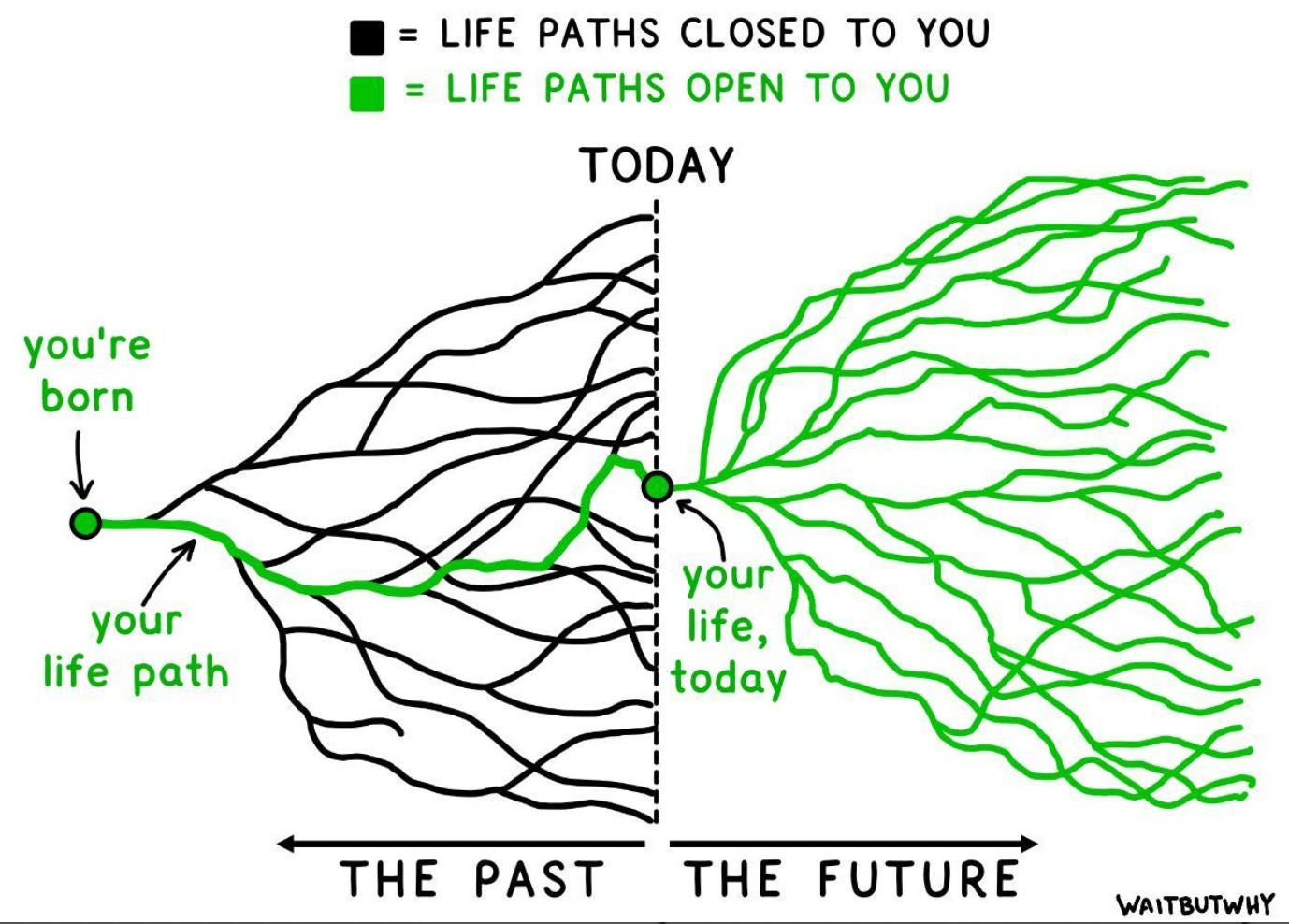
Looking for a facilitator and workshop designer?
If you need a workshop designer and facilitator to help you or your team to solve challenges, find solutions, make decisions, and to be more effective an perform better and faster, or a trainer to teach your team on how do this, please contact me at jose@facilistation.com
My workshops are designed to provide the structure required to quickly align and move forward with a plan or idea so you can reclaim time, energy and headspace.
I love this phrase; Another thing I do is make sure people know the topics ahead of time and have sufficient time to prepare, if they so choose. I find that for my neurodivergent folk, this is especially important to get their takes.
Yes, I agree and use these tactics. I also got an image in my head while reading this post of share plants different plants growing in the shadow as long as the trees is not fully blocking the sun. And I thought about introverts who, in addition to giving them space in meetings, need time before and after to think before fully sharing.