

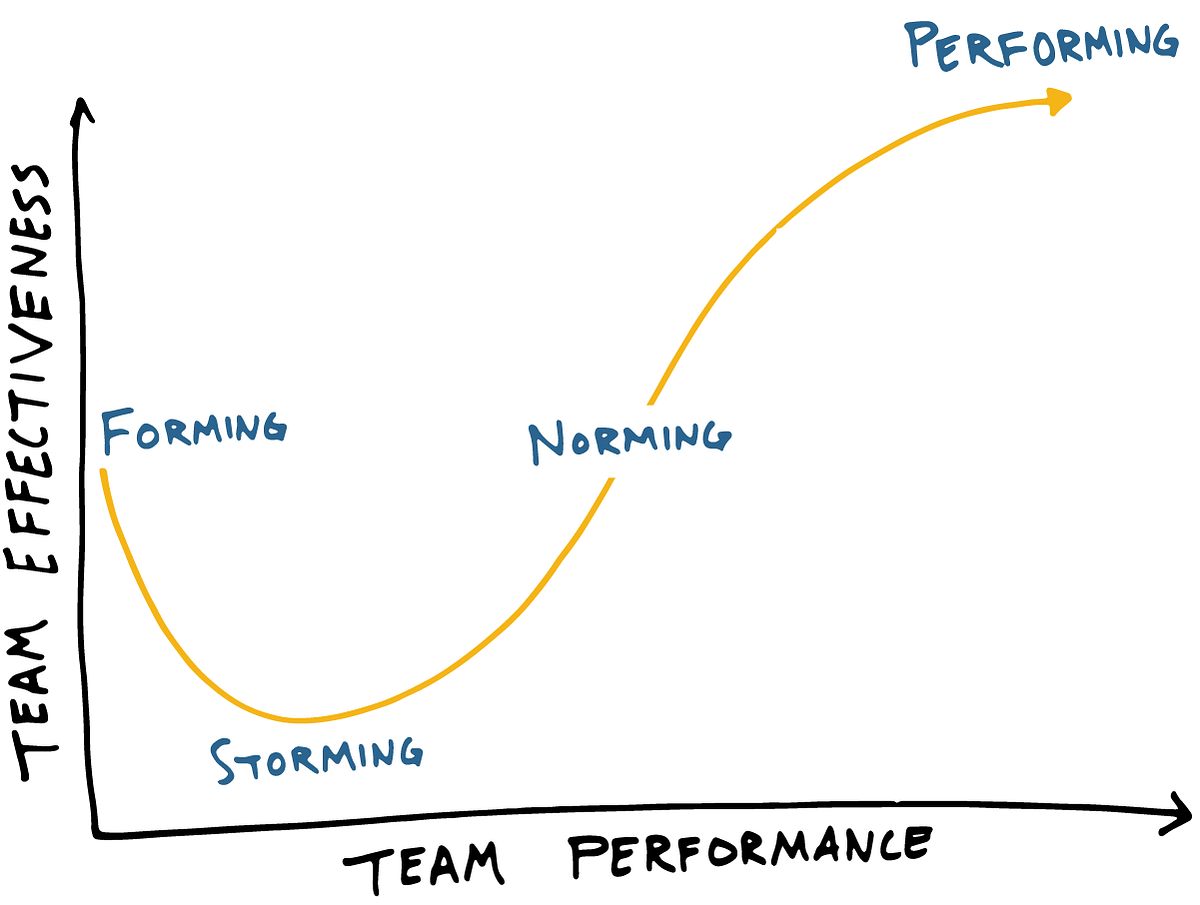
Teams rarely become effective simply because the right people have been brought together. Building a genuinely collaborative and high-performing team is a process that takes time, interaction, conflict, learning and adaptation.
One of the most widely known models for understanding this process is Tuckman’s model of team development, first introduced by psychologist Bruce Tuckman in 1965. The model describes four core stages of team development: Forming, Storming, Norming and Performing. A fifth stage, Adjourning, was added later to describe the process of completing the team’s work and eventually separating.
Although the model is deliberately simple, it provides a useful framework for understanding what happens inside teams — and, importantly, what leaders, facilitators and team members can do to support that development.
From a group of people to a team
A group of people does not automatically constitute a team.
People can share a manager, attend the same meetings and contribute to the same project while still operating largely as individuals. A team develops when people begin to establish a shared purpose, mutual accountability, common ways of working and enough trust to depend on one another.
This development is rarely linear.
Teams can move forward, regress or revisit earlier stages when circumstances change. A new leader, a new member, a significant organisational change or a new strategic direction can all disrupt established patterns and require the team to renegotiate how it works.
This is why Tuckman’s model is perhaps most useful not as a rigid sequence, but as a lens for understanding the current state of a team.
1. Forming: Establishing the foundations
The Forming stage begins when a group comes together around a shared purpose or task.
At this point, people are typically trying to understand the situation, their responsibilities and the expectations of others. Relationships are still developing, and there may be considerable uncertainty about roles, authority and decision-making.
People are often relatively polite and cautious during this stage. Disagreements may be limited because team members have not yet developed enough trust or familiarity to challenge one another openly.
The central questions are often:
Why are we here?
What are we expected to achieve?
Who is responsible for what?
How will decisions be made?
How are we expected to work together?
For leaders and facilitators, the priority is therefore to create clarity and psychological safety.
A strong beginning does not necessarily require extensive team-building activities. It requires making the team’s purpose, expectations and boundaries sufficiently clear for people to begin working with confidence.
2. Storming: Navigating differences and conflict
As people become more comfortable, differences inevitably become more visible.
This is the Storming stage.
People begin to express different opinions, preferences and expectations. Disagreements about priorities, responsibilities, leadership and ways of working can emerge. Some individuals may challenge decisions or question existing assumptions.
This stage is often perceived negatively because it can feel uncomfortable.
However, conflict is not necessarily a sign that a team is failing.
In many cases, it is a sign that the team is moving beyond superficial agreement and beginning to engage with the real differences between its members.
The critical distinction is between destructive conflict and productive disagreement.
A team that avoids disagreement may appear harmonious while important issues remain unresolved. Conversely, a team that learns to challenge ideas constructively can use disagreement as a source of better decisions and stronger collaboration.
The role of the facilitator or leader is therefore not simply to remove conflict. It is to help the team develop the capacity to work through conflict constructively.
Useful questions include:
What are we actually disagreeing about?
What assumptions are behind these different perspectives?
What is important to each of us?
What haven’t we discussed yet?
The objective is to move the conversation away from personal positions and towards the underlying interests, needs and purpose of the team.
3. Norming: Creating shared ways of working
If a team successfully navigates its differences, it can begin to establish shared norms.
This is the Norming stage.
People develop a clearer understanding of one another. Roles become more established, expectations become more explicit and patterns of collaboration begin to emerge.
The team starts to develop its own culture.
This culture is shaped not only by formal processes, but by everyday behaviours:
How do we make decisions?
How do we disagree?
How do we give feedback?
How do we communicate?
How do we handle mistakes?
How do we ask for help?
How do we hold each other accountable?
These norms are particularly important because they influence behaviour even when nobody is explicitly discussing them.
For this reason, teams benefit from making their ways of working visible and discussable.
A team agreement or working agreement can be useful, but the document itself is not the objective. The real value comes from the conversation that creates it and the shared understanding that follows.
Norming is essentially the transition from individual expectations to collective expectations.
4. Performing: Focusing on collective performance
In the Performing stage, the team has developed sufficient trust, clarity and cohesion to focus primarily on achieving its purpose.
The team can operate with greater autonomy. Roles may become more flexible, leadership can be distributed and members can rely on one another without constantly having to negotiate how the team should operate.
Importantly, performing does not mean the absence of disagreement.
High-performing teams can disagree strongly.
The difference is that disagreement does not threaten the functioning of the team.
Members can challenge an idea without challenging the person. They can acknowledge mistakes without assigning blame. They can ask for help without undermining their credibility.
The team has developed the ability to focus its energy on the work rather than continually negotiating the relationships and structures required to do the work.
This is often where collaboration becomes genuinely powerful.
5. Adjourning: Completing and moving on
Teams also have endings.
A project finishes. A programme is completed. An organisational structure changes. Members move to new roles.
Tuckman later added Adjourning to recognise this transition.
The end of a team’s lifecycle deserves attention because closure provides an opportunity for reflection and learning.
What did we accomplish?
What did we learn?
What should we carry forward?
What would we do differently?
What relationships or practices should continue?
Without deliberate closure, valuable learning can easily disappear when people move on to their next assignment.
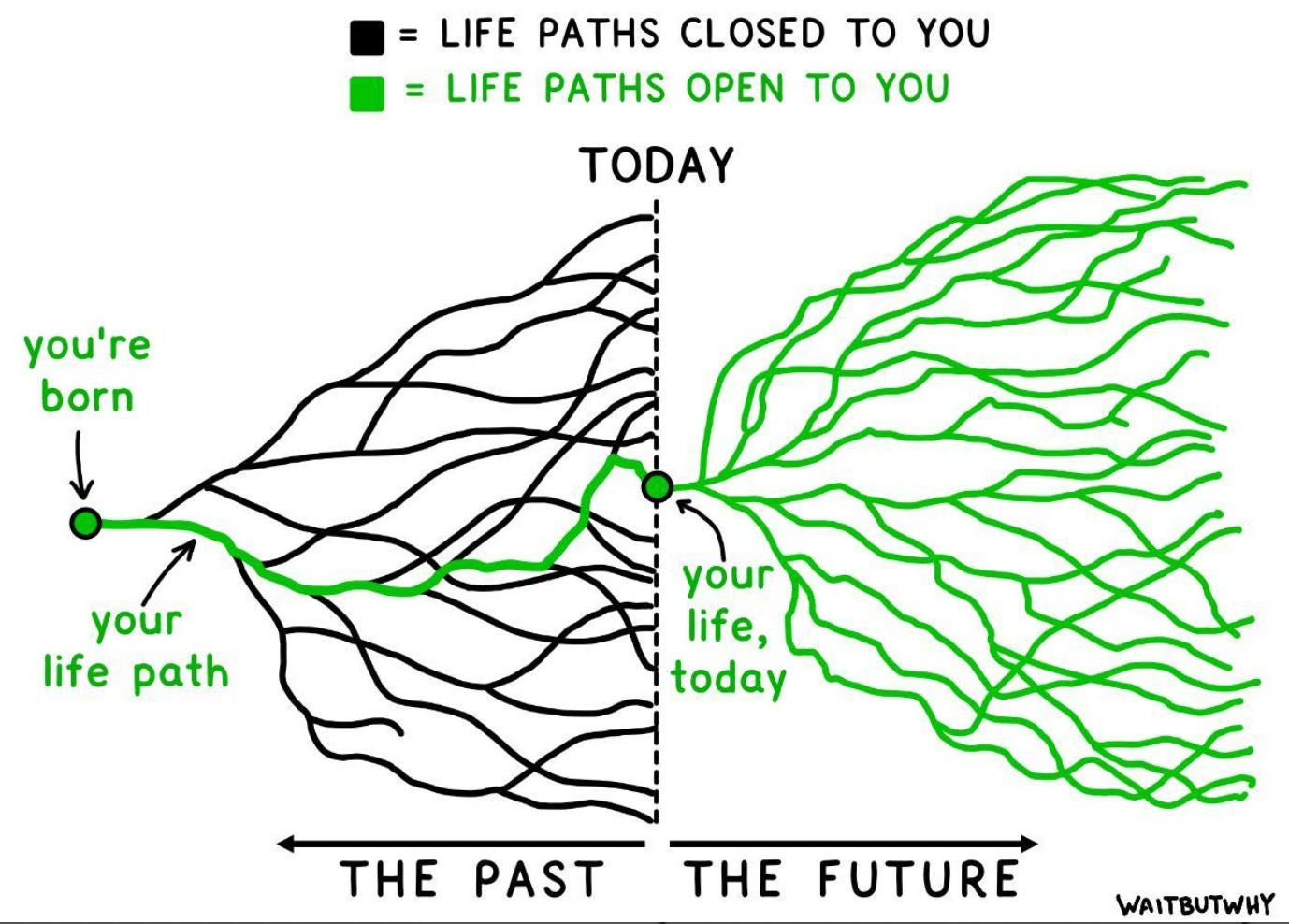
The model is not a linear journey
Perhaps the most important insight is that teams do not simply move through these stages once.
A team that has been performing effectively for several years can suddenly return to Storming.
A new manager joins. Two departments merge. The strategy changes. A significant conflict emerges. A new member challenges established assumptions.
These events can disrupt existing norms and require the team to renegotiate how it works.
In that sense, team development is less like climbing a staircase and more like navigating a cycle of development, disruption and adaptation.
The question is therefore not:
“How do we get our team to Performing?”
It is:
“What does this team need at this moment to develop its ability to work effectively together?”
What does this mean for facilitators?
For facilitators, Tuckman’s model provides a practical diagnostic tool.
Before designing a team workshop, leadership session or offsite, it is useful to consider where the team currently sits.
A newly formed team may need clarity around purpose, roles and expectations.
A team experiencing conflict may need space to surface tensions and develop better ways of disagreeing.
A more established team may benefit from revisiting its norms, decision-making processes or shared ambitions.
A high-performing team may need less facilitation and more autonomy.
The intervention should therefore respond to the team’s developmental needs, rather than simply applying the same workshop format to every team.
This is one of the fundamental principles of good facilitation:
Do not start with the activity. Start with the team.
Beyond the model
Tuckman’s model is not a complete explanation of team dynamics. Real teams are more complex than four or five stages can capture.
Nevertheless, its enduring value lies in its simplicity.
It reminds us that effective teamwork is not something we can simply demand from people. It is something that develops through shared experience.
Teams need opportunities to establish relationships, surface differences, negotiate expectations, create shared norms and learn how to work together.
And sometimes, the most productive thing a facilitator can do is not to make the team feel comfortable.
It is to help the team have the important conversation it needs to have.
Because the path from Forming to Performing is not about eliminating the messy parts of teamwork.
It is about helping people develop the capacity to navigate those messy parts together.
I hope this post, made sense and you found it useful.
If “HELL YEAH!”, please like it and share it in social media so more people can get can also benefit from it :-)
I would also appreciate if you subscribe, and give some comments here if you wonder something and want to give me some feedback. I would love to read your input here!
If you have a Substack yourself and like my content, I would love for you to recommend “Facili-station” to your subscribers.
Have a nice one!!
Looking for a coach?
In service of those who serve others.
Leadership is hard. Whether you’re stepping into management, leading an entire organization or wondering about your career, the challenges are real: confusing, overwhelming, and sometimes isolating.
I offer a tailored 1:1 or team coaching quarterly program to help you move forward with clarity and confidence. I’ve walked in your shoes, and I’ll work with you to build the resilience and relational skills needed to lead well, beyond just the work.
If this sounds like what you need, let’s talk. Email me at jose@facilistation.com to book a no-strings attached, no-obligation call to talk about your needs and see what I can offer that will fit you the best. Because coaching isn’t expensive. Staying stuck is.
You should see the cost of a life and work that you don’t love... sometimes one good conversation can change your life and your career forever.

Looking for a facilitator and workshop designer?
If you need a workshop designer and facilitator to help you or your team to solve challenges, find solutions, make decisions, and to be more effective an perform better and faster, or a trainer to teach your team on how do this, please contact me at jose@facilistation.com
My workshops are designed to provide the structure required to quickly align and move forward with a plan or idea so you can reclaim time, energy and headspace.
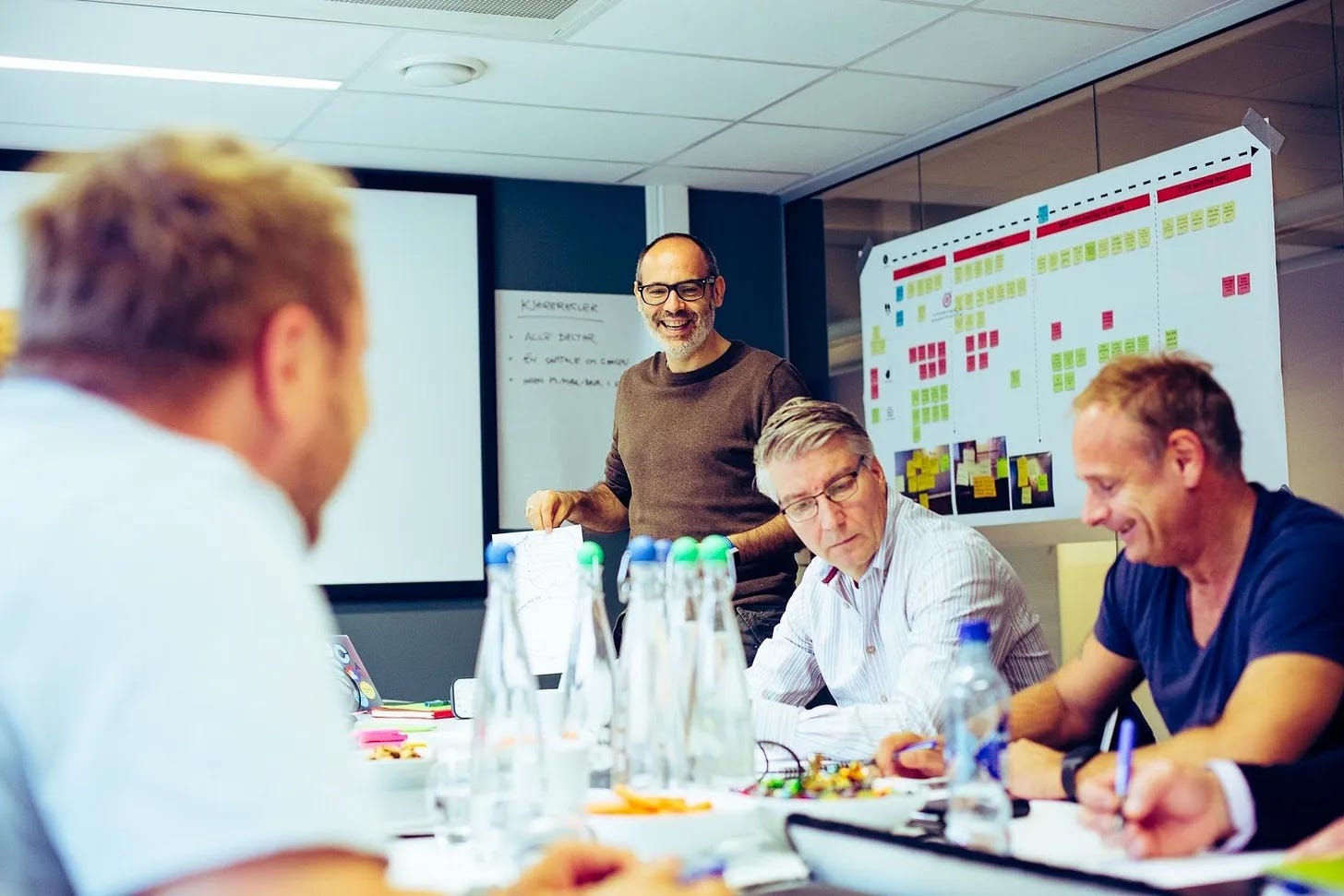
The forming stage when not done well, can lead to a protracted storming stage. My take: learn how to truly facilitate a team charter discussion and map it out visually. Keep this artifact as a discussion point. 💫💯💫